
10 Florida Native Plants That Thrive in the Summer Heat
 By Eric + Katelyn Gross · · 8 min read
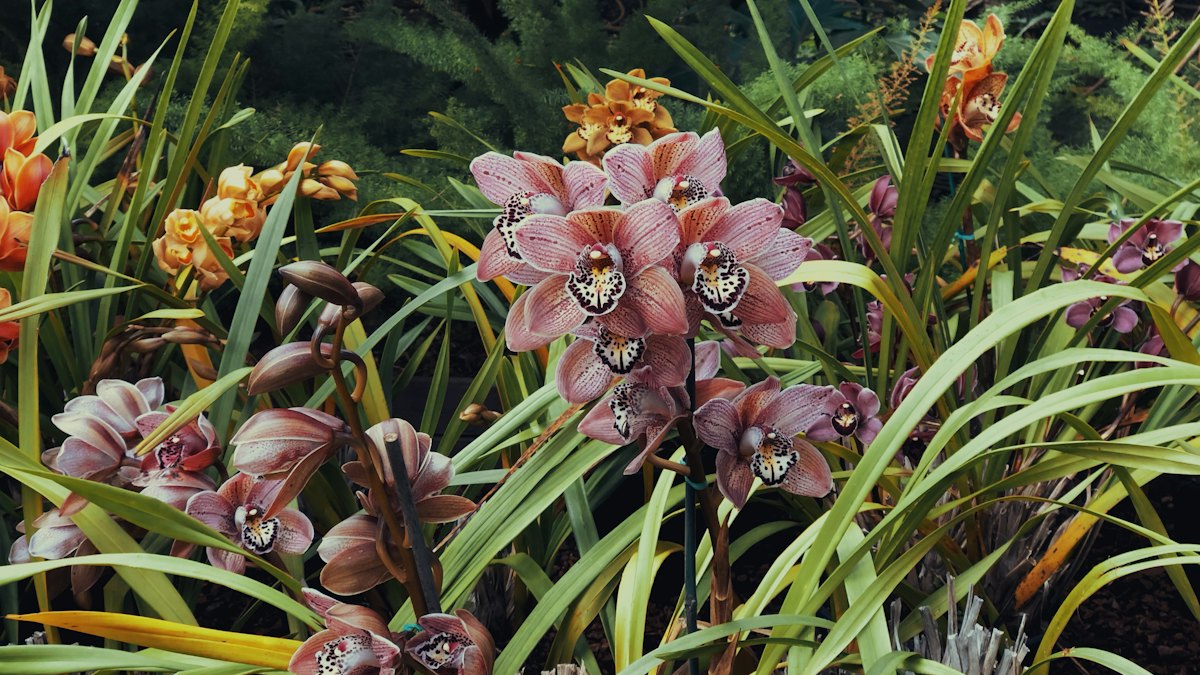
Florida summers can be tough on a landscape. Between the intense sunshine, high humidity, heavy afternoon rain, sandy soil, and stretches of dry weather, plants that look beautiful in spring do not always hold up through July and August.
One of the easiest ways to create a more resilient yard is to choose plants that naturally grow in Florida. Native plants are adapted to the state’s climate and soils, and once established, many require less irrigation and maintenance than plants brought in from other regions. They can also provide valuable food and shelter for Florida’s birds, butterflies, bees, and other wildlife.
Whether you want more color, better curb appeal, a pollinator garden, or landscaping that can handle the heat, these Florida native plants are excellent places to start.
1. Firebush
Firebush is one of the best native shrubs for adding bold summer color to a Florida yard. Its clusters of red-orange tubular flowers can bloom throughout much of the year in warmer areas, attracting hummingbirds, butterflies, and other pollinators.
Firebush works well as a specimen plant, informal hedge, or background shrub. It prefers full sun to partial sun and can grow fairly large when it has enough room. The plant is most suitable for Central and South Florida because it is sensitive to freezing temperatures, although it will often grow back from its base after cold damage.
Best for: Butterfly gardens, hummingbird gardens and colorful hedges
Light: Full sun to partial sun
Helpful tip: Look for the true Florida native Hamelia patens rather than similarly named ornamental varieties.
2. American Beautyberry
American beautyberry may look relatively understated during part of the year, but its clusters of bright purple berries make it a standout in late summer and fall.
This native shrub produces small flowers that attract bees and other pollinators before developing berries that provide food for mockingbirds, robins, catbirds, and other birds. It has a loose, natural growth habit, making it a good addition to informal landscapes, woodland-style gardens, and areas where you want to create wildlife habitat.
Beautyberry can tolerate sun but often looks its best with some afternoon shade, especially in hotter parts of Florida.
Best for: Wildlife gardens, natural borders and partially shaded areas
Light: Partial shade to sun
Helpful tip: Give it enough room to develop its naturally arching shape rather than trimming it into a tight hedge.
3. Sunshine Mimosa
Sunshine mimosa is a low-growing native groundcover known for its soft foliage and bright pink, powder-puff-like flowers.
It can spread across sunny areas and may be used as an alternative to traditional turf in sections of the yard that do not receive heavy foot traffic. It can also be mowed occasionally, although it generally performs best where it is allowed to grow naturally.
Once established, sunshine mimosa can handle Florida’s heat while adding more color and ecological value than a plain patch of grass.
Best for: Groundcover, slopes, sunny borders and low-traffic lawn alternatives
Light: Full sun
Helpful tip: Plant it where spreading is welcome, or use edging to keep it within a defined area.
4. Dune Sunflower
For cheerful color in a sunny, sandy location, it is hard to beat dune sunflower. This spreading native produces yellow, daisy-like flowers and can bloom through much of the year within its natural range.
Dune sunflower grows especially well in open areas with well-drained soil. It is highly tolerant of dry conditions and salt spray, making it particularly useful for coastal landscapes. It can spread several feet and readily reseeds, so give it room to create a relaxed, colorful groundcover.
Florida has different regional varieties of dune sunflower. The Florida Native Plant Society recommends selecting the type native to your part of the state, particularly near coastal habitats where regional varieties may naturally occur.
Best for: Coastal landscapes, sandy soil and sunny groundcover
Light: Full sun
Helpful tip: Ask a native plant nursery which dune sunflower is appropriate for your county.
5. Leavenworth’s Tickseed
Coreopsis is Florida’s official state wildflower, and Leavenworth’s tickseed is one variety that performs especially well in Florida landscapes.
Its yellow flowers can add a bright, meadow-like appearance to flower beds, butterfly gardens, and naturalized sections of the yard. Leavenworth’s tickseed can flower throughout the year under suitable conditions and often continues blooming into the fall in Central Florida.
It readily reseeds, which is helpful when creating a wildflower garden but may require occasional thinning in a more structured landscape.
Best for: Wildflower gardens, pollinator beds and cottage-style landscaping
Light: Full sun
Helpful tip: Allow some flowers to go to seed if you want the plants to return and spread naturally.
6. Wild Petunia
Florida’s native wild petunia produces soft purple flowers from spring through fall. Individual flowers may last only a day, but the plant continues producing new blooms over a long season.
Wild petunia can grow in full sun, partial sun, or shade, depending on moisture and site conditions. It also serves as a host plant for common buckeye and white peacock butterflies while attracting additional pollinators.
It is important not to confuse native wild petunia with Mexican petunia, a commonly sold nonnative plant that can spread aggressively into natural areas.
Best for: Butterfly gardens, mixed borders and naturalized landscaping
Light: Full sun to shade
Helpful tip: Check the botanical name and choose native Ruellia caroliniensis.
7. Wild Coffee
Despite its name, Florida wild coffee is primarily grown as an attractive landscape shrub rather than for making a morning drink.
It has glossy green foliage, small white flowers, and colorful berries that create year-round interest. The flowers appear during spring and summer and attract butterflies and other pollinators. Wild coffee performs particularly well in partial shade or shade, making it useful for areas beneath trees or along the shaded side of a home.
It prefers moist, well-drained soil but can grow in somewhat drier locations when it receives supplemental irrigation.
Best for: Shaded foundations, hedges, woodland gardens and wildlife landscaping
Light: Partial shade to shade, with some sun tolerance
Helpful tip: Use it where its dark, glossy foliage can provide contrast against lighter plants.
8. Coral Honeysuckle
Coral honeysuckle is a native flowering vine that can add vertical color to fences, trellises, arches, and pergolas.
Its tubular coral-colored flowers bloom from spring into fall and are especially attractive to hummingbirds. The plant can remain evergreen through much of Florida, although it may lose some leaves during winter in colder northern areas.
Unlike invasive Japanese honeysuckle, coral honeysuckle is a Florida-friendly native option that provides beauty without the same concern about uncontrolled spread into natural areas.
Best for: Trellises, fences, mailbox gardens and hummingbird gardens
Light: Full sun to partial sun
Helpful tip: It will generally produce more flowers when it receives good sunlight and has a structure to climb.
9. Muhly Grass
Muhly grass is a native ornamental grass that brings movement and texture to the landscape even when it is not in bloom.
Its narrow green foliage forms an attractive clump throughout the summer. In the fall, it produces airy pink-purple flower heads that can make a mass planting look like a soft cloud of color. Muhly grass also provides low cover for small animals, and birds may eat its seeds.
It works especially well in modern landscapes, around pools, along driveways, and in areas where a traditional shrub might feel too heavy.
Best for: Mass plantings, modern landscaping, borders and textural interest
Light: Full sun
Helpful tip: Plant several together for a stronger visual impact once the fall plumes appear.
10. Coontie
Coontie is a Florida native cycad with stiff, fern-like leaves that give it a tropical appearance. It is not a palm or a true fern, although it can resemble both.
Its compact size makes it useful for foundation beds, beneath windows, along walkways, and in areas where a low-maintenance evergreen plant is needed. Coontie can tolerate Florida’s heat and is also the host plant for the rare and colorful Atala butterfly in parts of South Florida.
Because coontie grows relatively slowly, it generally requires little pruning once established.
Best for: Foundation beds, tropical-style landscaping and butterfly gardens
Light: Sun to partial shade
Helpful tip: Do not confuse native coontie with cardboard palm, a nonnative cycad that is also commonly sold in Florida nurseries.
Tips for Planting Florida Natives During the Summer
Native does not automatically mean maintenance-free. Even heat-tolerant plants need help while their roots become established.
Water newly installed plants deeply and consistently according to the needs of the species and your soil conditions. Summer rain can help, but brief afternoon showers may not provide enough moisture to reach the entire root ball.
Add a two- to three-inch layer of mulch around new plants to help regulate soil temperature and retain moisture. Keep the mulch a few inches away from the stems or trunks to reduce the risk of rot.
Always consider how much sunlight and moisture a particular area receives before selecting a plant. A native species placed in the wrong conditions may struggle just as much as a nonnative plant. The Florida Native Plant Society emphasizes choosing the right native plant for the specific conditions in your yard.
You should also check a plant’s natural range before purchasing it. Florida stretches across multiple climate zones, and a species that naturally thrives in Miami may not perform the same way in Tallahassee. Native plant nurseries and local UF/IFAS Extension offices can help you identify plants appropriate for your region.
Why Add Native Plants to Your Florida Landscape?
A yard filled with Florida native plants can offer much more than attractive curb appeal. Native landscaping can support butterflies, bees, hummingbirds, songbirds, and other wildlife that depend on local plants for nectar, seeds, fruit, shelter, and places to reproduce.
Florida is home to more than 300 species of native wild bees, many of which benefit from native flowering plants. Different pollinators are attracted to different flower colors, shapes, and bloom periods, so planting a mixture of species can help provide resources throughout the year.
Native plants can also help create a landscape that feels distinctly Floridian. Instead of fighting the climate every summer, you can build a yard around plants that are already adapted to living here.
Final Thoughts
The best Florida landscapes are not necessarily the ones that require the most water, fertilizer, or weekend maintenance. They are the ones designed around the property’s natural sunlight, soil, moisture, and growing region.
Whether you begin with a colorful firebush, a patch of sunshine mimosa, a coral honeysuckle-covered trellis, or a few clumps of muhly grass, even a small native planting can make your yard more resilient and welcoming to local wildlife.
Before heading to the nursery, make a note of which areas receive full sun, afternoon shade, or consistently wet soil. With the right plant in the right place, your Florida landscape can continue looking beautiful throughout the hottest months of the year.
If you’re thinking about buying, selling, investing, or relocating, whether now or in the next 6–12 months, we’d love to be a resource for you.