
The Real Costs of Owning a Pool in Florida (2026 Guide)
 By Eric + Katelyn Gross · · 4 min read
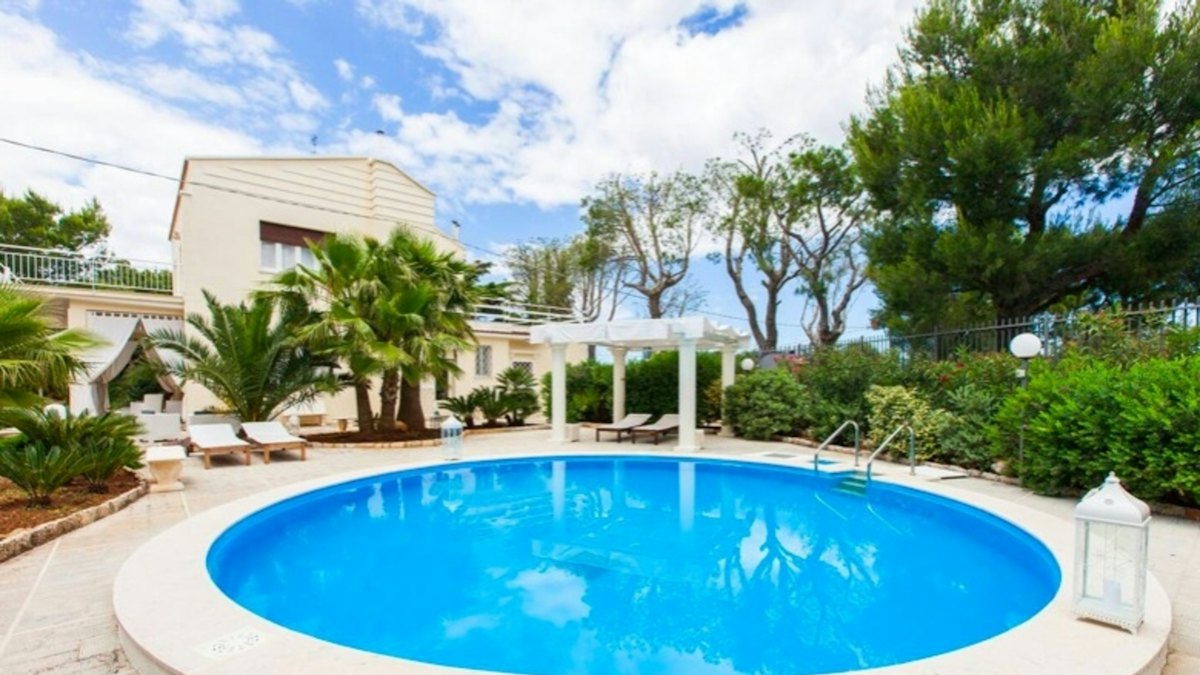
For many people moving to Florida, a backyard pool is high on the wish list. With warm weather for much of the year, it's easy to see why. A pool can provide a great place to relax, entertain guests, stay active, and cool off during the hottest months.
But before you start searching for homes with a pool, it's important to understand the ongoing costs that come with pool ownership. While many homeowners find the benefits well worth it, knowing what to budget for can help you make a more informed decision.
Here's a breakdown of the common expenses associated with owning a pool in Florida.
1. Pool Maintenance
One of the most consistent expenses is routine maintenance.
Some homeowners choose to maintain their pools themselves, while others hire a professional pool service.
A typical professional service may include:
- Water testing and balancing
- Skimming debris
- Brushing pool walls
- Vacuuming
- Emptying baskets
- Checking equipment
- Adding necessary chemicals
Professional service costs vary depending on the size of the pool, your location, and the level of service provided.
2. Pool Chemicals
Even if you maintain your own pool, you'll need to budget for chemicals throughout the year.
Common products include:
- Chlorine or salt system supplies
- pH balancers
- Alkalinity increasers
- Shock treatments
- Algaecides
- Water testing supplies
Heavy summer use and frequent rain can affect water chemistry, meaning chemical usage often increases during the warmer months.
3. Electricity
Pools typically increase your electric bill.
Electricity is commonly used for:
- Pool pumps
- Variable-speed pumps
- Pool lights
- Water features
- Heaters (if installed)
- Automation systems
The exact impact depends on how often equipment runs, your utility rates, and whether your pool uses energy-efficient equipment.
4. Water Usage
Florida's rainy season helps refill pools naturally, but water is still needed from time to time.
You may need to add water because of:
- Evaporation
- Splash-out
- Backwashing certain filtration systems
- Repairs or maintenance
Automatic fill systems can simplify the process but may also increase water usage.
5. Equipment Repairs & Replacement
Like any major home system, pool equipment eventually needs maintenance or replacement.
Common components include:
- Pool pump
- Filter
- Salt system (if applicable)
- Heater
- Automation controls
- Pool lighting
- Valves and plumbing
Setting aside a maintenance fund each month can help prepare for future repairs.
6. Screen Enclosures
Many Florida pools are enclosed by screened lanais.
Benefits include:
- Fewer leaves and insects
- Reduced debris
- Added comfort
However, screen enclosures may occasionally require repairs after storms or from normal wear and tear.
7. Hurricane Preparation
Florida homeowners should also consider storm preparation.
Depending on the forecast, preparation may include:
- Securing outdoor furniture
- Protecting pool equipment
- Adjusting water chemistry
- Following manufacturer recommendations for pumps and filtration systems
Always follow guidance from local emergency management officials and your pool equipment manufacturer before severe weather.
8. Insurance Considerations
A swimming pool can affect your homeowners insurance.
Coverage and premiums vary depending on factors such as:
- Pool type
- Safety features
- Fencing or barriers
- Diving boards or slides
- Location
- Insurance provider
If you're considering a home with a pool, it's a good idea to request an insurance quote before making an offer.
Thinking about buying a home with a pool? We can help you compare properties, understand ownership costs, and connect you with trusted local insurance and pool professionals.
9. Pool Heating (Optional)
Many homeowners enjoy heating their pool during cooler months.
Common options include:
- Electric heat pumps
- Natural gas heaters
- Solar heating systems
Each has different installation costs, operating expenses, and performance depending on the season.
If you plan to swim year-round, ask about the home's current heating system during your tour.
10. Resurfacing & Long-Term Maintenance
Pools don't require resurfacing every year, but it is an important long-term maintenance item.
Depending on the finish and how well the pool is maintained, resurfacing may eventually be needed as part of the pool's lifecycle.
Planning ahead for these larger maintenance projects can help avoid unexpected expenses.
Is a Pool Worth It?
For many Florida homeowners, absolutely.
A backyard pool can provide:
- A place to cool off during hot summers
- Convenient exercise
- Outdoor entertaining space
- Family fun
- Staycation vibes without leaving home
Whether it's worth the ongoing cost depends on your lifestyle, budget, and how often you expect to use it.
Questions to Ask Before Buying a Home with a Pool
When touring homes, consider asking:
- How old is the pool?
- Has the pool been resurfaced?
- How old are the pump and filter?
- Is the pool saltwater or chlorine?
- Is there a heater?
- Is the screen enclosure original?
- What are the average monthly maintenance costs?
- Are there any known repairs or warranties?
These questions can help you better understand the condition of the pool and what to expect after closing.
Final Thoughts
A pool is one of the features that makes Florida living so appealing, and for many homeowners, it's one of the best investments they make in their everyday lifestyle.
The key is understanding the responsibilities that come with it. By planning for routine maintenance, utilities, equipment upkeep, and long-term care, you'll be better prepared to enjoy your pool without unexpected surprises.
If you're searching for a home in the Tampa Bay area and you're deciding between properties with and without pools, we'd be happy to help you compare your options, answer your questions, and find a home that fits both your lifestyle and your budget.
Happy house hunting and enjoy the sunshine!